How Each Type of Sunscreen Actually Works
Sunscreen is not a single technology — it is a category that covers two distinct approaches to UV protection. Understanding how each works makes it far easier to choose a formula that suits your skin and routine. For a broader look at why sunscreen matters at all, see the science behind daily sunscreen use.
Physical (Mineral) Sunscreen
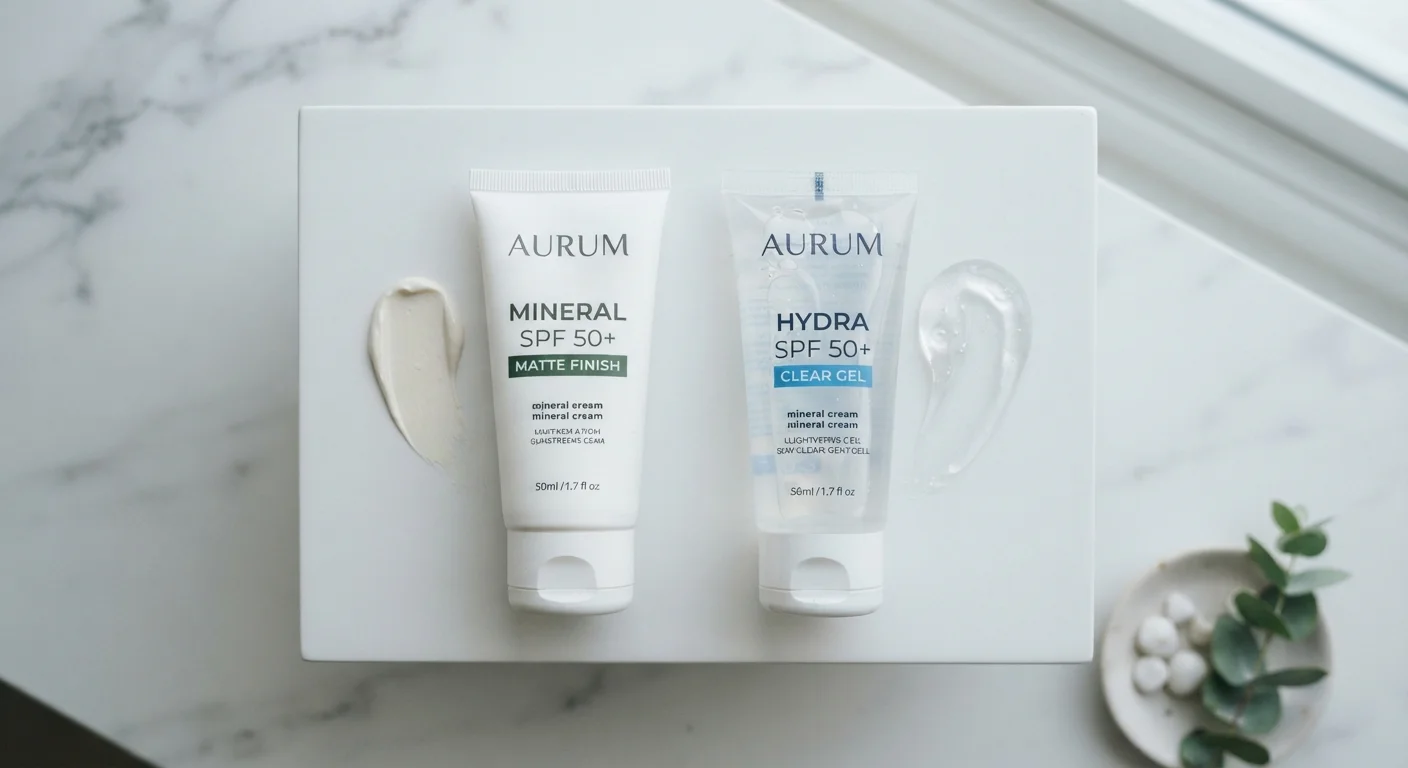
Physical sunscreens use mineral ingredients — almost always zinc oxide, titanium dioxide, or a combination of both — as their active filters. These minerals remain on the surface of the skin and work by reflecting and scattering UV radiation before it can penetrate the skin barrier. Think of it as a mirror-like shield sitting on top of your complexion.
Because they stay on the skin's surface rather than being absorbed, mineral filters are generally recognised as well-tolerated by sensitive skin. They are also effective immediately upon application — no waiting period is needed.
Chemical Sunscreen
Chemical sunscreens use synthetic organic compounds — such as avobenzone, oxybenzone, octinoxate, or homosalate — as their active filters. These ingredients are absorbed into the upper layers of skin, where they convert UV radiation into small amounts of heat that are then released harmlessly from the body.
Because these filters need to bind to the skin before they can work, dermatologists commonly recommend applying chemical sunscreen 15 to 20 minutes before sun exposure. The formulas themselves tend to be thinner and more transparent, which many people find easier to apply and re-apply throughout the day.
| Criterion | Physical (Mineral) Sunscreen | Chemical Sunscreen |
|---|---|---|
| How it works | Reflects and scatters UV rays | Absorbs UV and converts to heat |
| Active ingredients | Zinc oxide, titanium dioxide | Avobenzone, oxybenzone, others |
| When it's effective | Immediately on application | After 15–20 minutes |
| Texture | Often thicker, can feel heavier | Typically lightweight and fluid |
| Finish on skin | May leave white cast | Absorbs invisibly |
| Best skin type fit | Sensitive, reactive, oily-prone | Most skin types, especially darker tones |
| Broad-spectrum coverage | Yes (zinc oxide covers UVA + UVB) | Yes, when formulated correctly |
Choosing the Right Formula for Your Skin
The choice between physical and chemical sunscreen is not about which type is "better" — it is about which works best for your individual skin and lifestyle. Your skin type plays a major role here. If you are unsure what skin type you have, understanding your skin type is a useful starting point before building any skincare routine.
SPF 30
Minimum recommended daily SPF
The American Academy of Dermatology recommends broad-spectrum SPF 30 or higher for everyday outdoor use.
2 hrs
Maximum interval before re-applying sunscreen
Both mineral and chemical sunscreens break down with UV exposure; re-application every two hours is widely advised by skin health organisations.
~80%
UV protection lost if applied too sparingly
Research has shown that applying sunscreen at less than the tested amount can significantly reduce real-world SPF performance.
Texture, Finish, and Wearability
Mineral sunscreens can leave a white or slightly grey cast on the skin, which is more noticeable on medium to deep skin tones. Many newer formulas address this with tinted versions that blend more naturally. Chemical sunscreens absorb fully and are typically invisible on all skin tones, making them the default choice for those who wear foundation or prefer a seamless look.
Skin Sensitivity and Ingredients
For those with reactive, eczema-prone, or very sensitive skin, mineral options are often recommended first because their active ingredients are less likely to cause irritation. Chemical filters — particularly oxybenzone — have been associated with sensitivity in some individuals, though reactions vary widely and are not universal.
Practical Tips for Both Types
- Apply either type generously — about a quarter teaspoon for the face alone.
- Re-apply every two hours when outdoors, regardless of which type you use.
- Both types degrade in sunlight over time; re-application is not optional.
- Look for broad-spectrum labelling, which confirms protection against both UVA and UVB rays.
This article is for general informational purposes only and does not constitute medical or dermatological advice. Consult a qualified dermatologist or healthcare professional if you have specific skin concerns or conditions.