Why Scalp Myths Are So Persistent
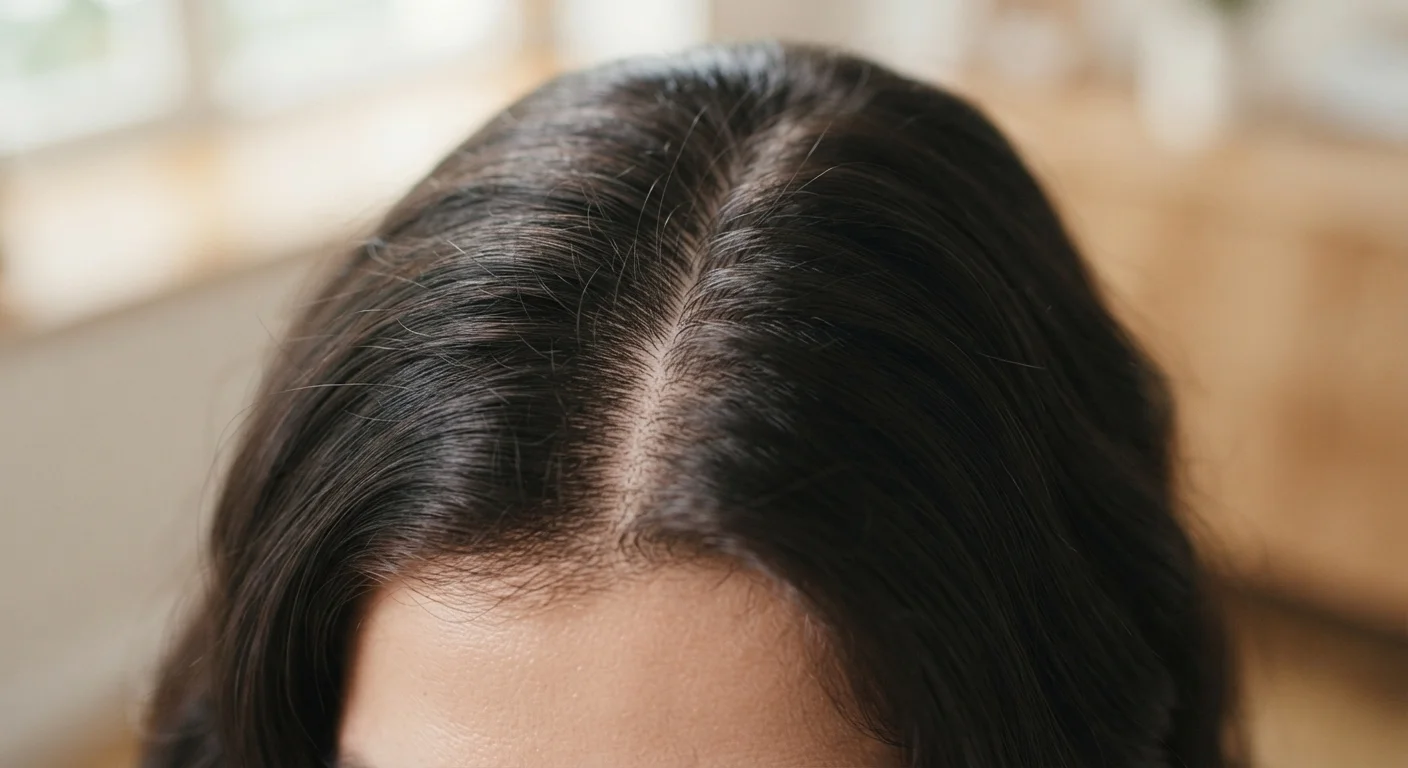
The scalp is largely hidden beneath your hair, which makes it easy to misunderstand. Many scalp care beliefs are passed down through generations or amplified by marketing language, making them feel like established fact. In reality, dermatologists and trichologists (specialists in hair and scalp health) frequently have to correct widespread misconceptions that influence how people wash, oil, and care for their hair.
This article addresses the most common of those myths and replaces them with what current evidence actually supports. For a broader look at how misinformation shapes daily beauty routines, see our related piece on skincare myths dermatologists frequently correct.
Myth
Washing your hair every day will damage it and cause hair loss.
Fact
Daily washing is appropriate for some scalp types and does not inherently cause hair loss or structural damage.
Hair shedding during washing is a normal part of the hair cycle — the average person sheds roughly 50 to 100 hairs per day. Seeing hair in the shower drain is not evidence that shampooing is causing loss. For people with oily scalps or fine hair prone to buildup, frequent cleansing can actually support a healthier follicular environment. The key variable is not frequency but whether the cleanser and water temperature are appropriate for your hair type. Harsh sulfates used too often on a dry or sensitive scalp may cause irritation, but gentle formulas used daily are generally considered safe.
Myth
Dandruff is caused by a dry scalp or poor hygiene.
Fact
Dandruff is most commonly linked to an overgrowth of a yeast-like fungus called Malassezia, not dryness or infrequent washing.
Malassezia is a naturally occurring microorganism on all human scalps, but in some individuals it triggers an inflammatory response that accelerates skin cell turnover, producing the visible flaking associated with dandruff. This means that dry scalp and dandruff, while they can look similar, are biologically different conditions requiring different approaches. Moisturising a dandruff-prone scalp may provide temporary comfort but will not address the underlying fungal imbalance. Medicated shampoos containing zinc pyrithione, selenium sulfide, or ketoconazole are clinically recognised as first-line options, but anyone with persistent or severe symptoms should consult a dermatologist for proper diagnosis.
Myth
Leaving oil on your scalp overnight will significantly accelerate hair growth.
Fact
Overnight scalp oiling has limited scientific evidence to support growth claims and may cause issues for certain scalp types.
Applying oil to the scalp is a practice with long cultural roots, particularly in South Asian hair care traditions, and it can help condition hair strands and reduce friction. However, the claim that it directly stimulates follicles or accelerates growth is not well supported by current clinical research. On an already oily or acne-prone scalp, heavy oils left on for extended periods can contribute to follicular plugging or irritation. If you enjoy scalp oiling for its sensory or conditioning benefits, a shorter application time followed by proper cleansing is generally considered a more balanced approach.
Myth
Scalp massage guarantees faster hair growth.
Fact
Scalp massage may support circulation, and some small studies show modest effects on hair thickness, but it is not a proven growth guarantee.
A small 2016 study published in ePlasty found that standardised scalp massages performed daily over 24 weeks were associated with increased hair thickness in a group of Japanese men. However, the study was small and the mechanism is not fully established. The proposed benefit is increased blood flow to hair follicles, which may support nutrient delivery. Scalp massage is low-risk and can be incorporated into a routine without concern, but it should not be relied upon as a standalone remedy for clinically significant hair loss, which often has hormonal, genetic, or nutritional causes that require professional assessment.
Myth
Trimming hair at the scalp level makes it grow faster.
Fact
Hair growth originates from follicles beneath the scalp surface; trimming the ends has no effect on that biological process.
Hair grows from follicles embedded in the dermis, and the rate of growth is determined by factors including genetics, hormones, nutrition, and overall health. Cutting the shaft cannot communicate any signal to the follicle. The reason trimming is recommended as part of a healthy hair routine is that it removes split and damaged ends, which can cause breakage that travels up the strand — making hair appear not to grow when it is actually breaking faster than it grows. For a clear explanation of this distinction, see how regular trims support length retention.
What This Means for Your Hair Routine
Understanding these myths is the first step toward building a routine that genuinely supports scalp health rather than working against it. Your scalp is skin — it responds to cleansing frequency, product buildup, physical stimulation, and internal health factors much the same way facial skin does.
50–100
Normal daily hair shed count
Dermatologists generally consider losing 50 to 100 hairs per day within the typical range for adults, according to the American Academy of Dermatology.
~90%
Hair follicles in active growth phase
At any given time, roughly 90 percent of scalp hair follicles are in the anagen (active growth) phase, which can last two to seven years.
If you are unsure how your current routine is affecting your hair, a pre-routine hair health check can help you evaluate moisture levels, scalp condition, and early signs of damage before making any changes.
Sudden or Patchy Hair Loss Needs Professional Attention
Scalp care routines and lifestyle adjustments can support general hair health, but they cannot address conditions like alopecia areata, androgenetic alopecia, or telogen effluvium on their own. If you notice sudden shedding, bald patches, scalp pain, or significant changes in hair density, please consult a dermatologist or trichologist rather than relying solely on at-home remedies. Early diagnosis significantly improves outcomes for many hair loss conditions.
Because scalp health affects how hair behaves once it grows, it connects closely to related concerns like dryness and post-wash texture. Our guide on why hair feels dry after washing explores how scalp and strand health overlap. And if you are choosing between cleansing methods, shampoo vs. co-washing breaks down when each approach makes sense for different scalp types.
This article is for general informational and educational purposes only and is not a substitute for professional medical or dermatological advice. If you are experiencing significant hair loss, persistent scalp irritation, or other concerns, consult a qualified healthcare professional or dermatologist.