What Makes a Style 'Protective'?
Not every neat hairstyle qualifies as protective. Three core criteria define the category:
- Ends are tucked or concealed. Hair ends — the tips — are the most vulnerable point on each strand. Keeping them hidden shields them from rubbing against clothing and environmental elements.
- Daily manipulation is minimized. Combing, brushing, and restyling each day are among the top causes of mechanical breakage. A protective style removes that daily stress for weeks at a time.
- Heat is not required to maintain it. Relying on flat irons or curling wands regularly contributes to dryness and breakage. Protective styles sidestep that cycle entirely.
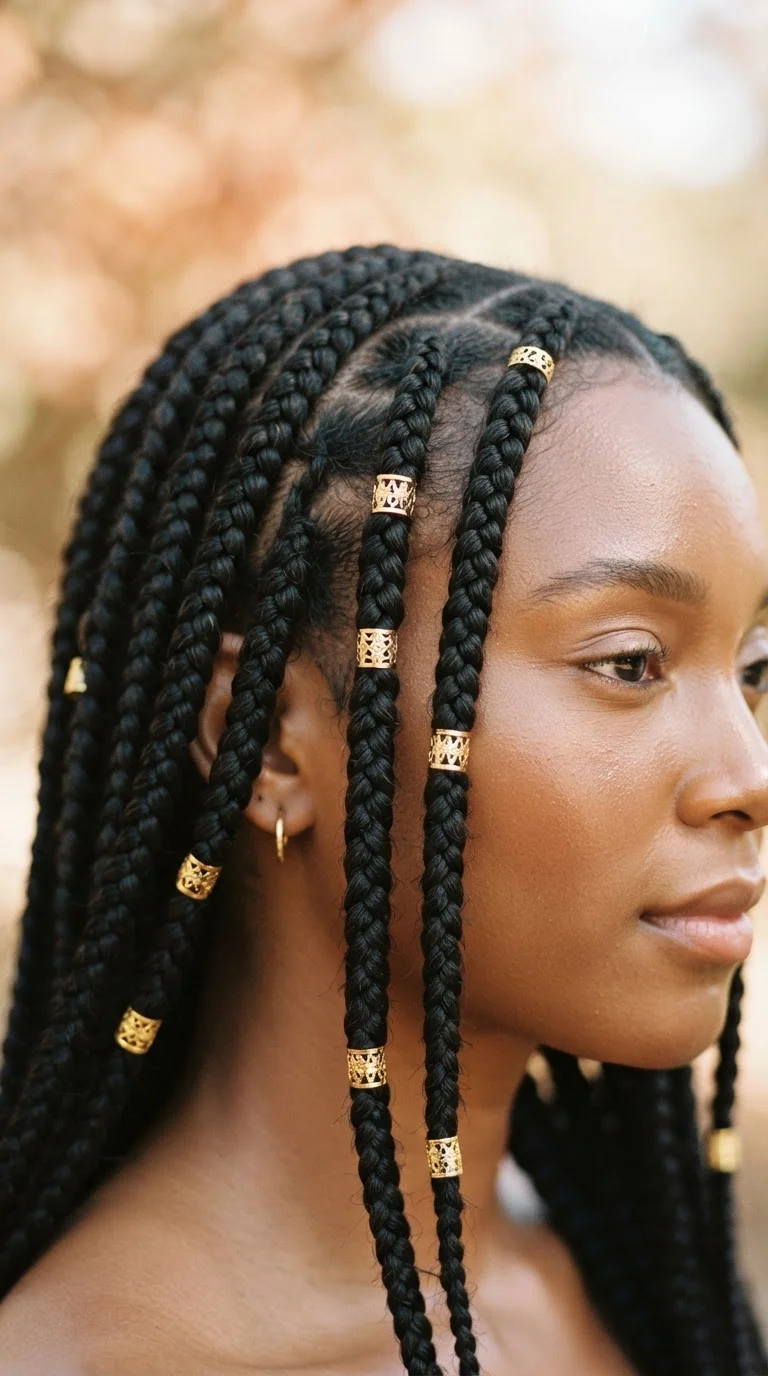
Styles that meet these criteria include box braids, two-strand twists, cornrows, flat twists, faux locs, updos with tucked ends, and buns. A wash-and-go, while low manipulation at installation, does not typically count because the ends remain exposed and are restyled daily. To understand how heat tools compare, see our article on what heat styling tools actually do to your hair.
Who Benefits Most — and Why
Protective styles are particularly valuable for people with natural, coily, or kinky hair textures (often described using the 3c–4c range on typing charts). These curl patterns have a tighter coil, which means the natural oils produced by the scalp travel down the strand more slowly. The ends tend to be drier and more fragile, making them especially prone to splitting and snapping with everyday handling.
That said, protective styling benefits extend well beyond textured hair:
- Chemically processed hair (relaxed, color-treated, or bleached strands) is structurally weaker and benefits from extended rest periods between manipulation.
- Fine or low-density hair can experience thinning from repeated tension and heat. A gentle protective style reduces that cumulative stress.
- Transitioning hair — where new natural growth meets chemically processed ends — is particularly fragile at the line of demarcation. Protective styles reduce handling at that vulnerable point.
Start with a Healthy Foundation
Installing a protective style over already-dry or damaged hair locks in that damage for weeks. Deep condition and detangle thoroughly before installation so your strands start the process in the best possible condition. A little preparation at the start prevents significant setbacks at takedown.
Before installing any protective style, it helps to assess your hair's current health. Our guide on assessing hair health before styling walks you through checking moisture levels and damage signs.
Wearing Protective Styles Safely
The benefits of protective styling only apply when the style is installed and maintained correctly. Here is what every beginner should know:
Protective Styles Are Not a Hair Growth Shortcut
Hair grows at a biologically determined rate — roughly half an inch per month on average for most people, though this varies. Protective styles do not change that rate. Their real value is in preventing the breakage that masks growth. Managing expectations helps you stick with a routine for long enough to see genuine results.
Tension Matters
Too-tight installation is the single most common mistake. Tight tension at the root can cause traction alopecia — a gradual, and sometimes permanent, form of hair loss along the hairline and temples. Your style should feel snug but never painful or cause bumps along the hairline.
Moisture Does Not Stop
Hair still needs hydration while in a protective style. Use a lightweight water-based spray or diluted leave-in conditioner on your scalp and visible sections every few days. Seal with a light oil to prevent moisture escaping. Skipping this step leads to extreme dryness that causes breakage at takedown.
Scalp Care Continues
Buildup of sebum, product, and sweat on an unwashed scalp can lead to irritation or dandruff. Use a diluted shampoo applied with a spray bottle or an applicator tip along your parts every one to two weeks, then rinse thoroughly.
Know When to Take It Down
Most styles are safe for two to eight weeks. Beyond that, accumulated shed hairs can mat inside the style, making removal far more damaging than the style itself. When taking down braids or twists, working gently and using a detangling aid is essential — see our guide on detangling without breakage for step-by-step guidance.